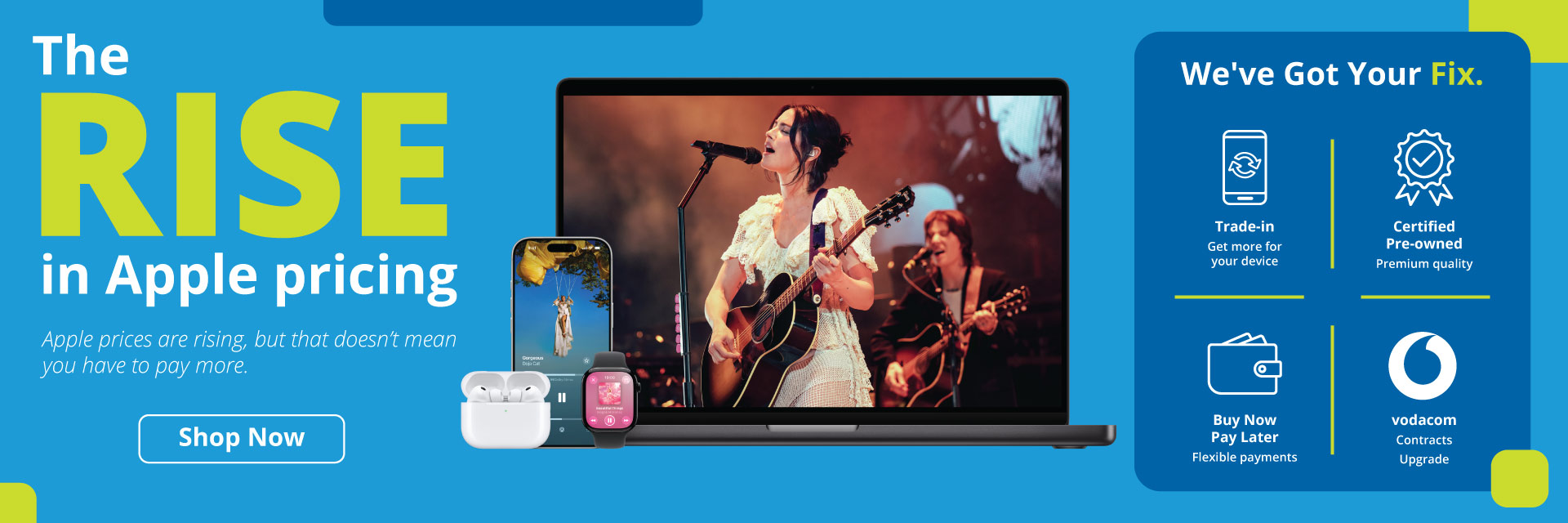
The RISE in APPLE pricing and The Cellucity Solution
Every new Apple launch seems to arrive with a bigger price tag than the one before – Whether it’s the latest iPhone, MacBook, iPad or Apple Watch, South Africans are asking the same questions. Why have Apple products become so expensive? The answer is far bigger than exchange rates or inflation. We’re living through one of the biggest technology shifts in history—the global Artificial Intelligence (AI) revolution.
Let’s unpack what’s happening—and more importantly, what it means for you.
What is the AI revolution?
Artificial Intelligence isn’t just another technology trend. It’s triggering the biggest global computing arms race we’ve seen in decades. Companies like Microsoft, Google, Amazon, Meta and OpenAI are investing billions into AI infrastructure. Every AI model requires enormous computing power, which means millions of advanced processors and vast amounts of high-speed memory. Those components don’t magically appear overnight. Manufacturing the world’s most advanced chips requires specialised factories costing tens of billions of dollars to build. Production capacity is limited, while demand has exploded. This creates a simple economic reality: When demand dramatically exceeds supply, prices rise. And that’s exactly what’s happening today.
Why is AI making RAM more expensive?
One of the biggest hidden costs is memory. Every AI server requires enormous amounts of high-performance RAM to process billions of calculations every second. Modern AI servers often use hundreds of gigabytes—or even terabytes—of memory. Now multiply that by thousands of servers inside one AI data centre. Then multiply that again by hundreds of new AI data centres being built worldwide. Suddenly, manufacturers are producing massive volumes of premium memory for enterprise customers. The consequence? Less supply is available for consumer electronics, increasing prices across the board. Apple isn’t immune. Every new iPhone, MacBook and iPad relies on increasingly sophisticated memory technology, so as it becomes more expensive, so does every device that contains it.
Why have chips become the world’s most valuable resource?
Today’s smartphone processors are engineering marvels. Apple’s A-series and M-series chips contain billions of transistors packed into microscopic spaces using manufacturing processes that only a handful of companies in the world can produce. At the same time, AI companies are buying premium chips in record numbers. These aren’t ordinary processors—they’re among the most advanced silicon ever manufactured. Building enough capacity to satisfy both AI companies and consumer electronics brands isn’t easy. As production costs rise, those costs eventually flow through the entire technology supply chain. Consumers are feeling the impact.
What else is affecting Apple prices?
AI is one of the biggest drivers, but it’s not acting alone. Several factors combine to push prices higher:
- Higher semiconductor manufacturing costs
- Increased investment in AI-capable hardware
- More expensive components like OLED displays, cameras and batteries
- Global logistics and shipping costs
- Currency fluctuations
- South African import duties and VAT
- Rand volatility against the US Dollar
For South Africans, exchange rate movements often magnify global price increases. Even a relatively small increase internationally becomes significantly larger by the time a product reaches our shelves. We are also facing:
- Rising living costs
- Higher interest rates
- Fuel price increases
- Load shedding-related expenses
- Slower salary growth
- A weaker rand compared to major currencies
That means a premium smartphone purchase becomes an even bigger financial decision. Where customers may have upgraded every year previously, many are now stretching ownership to three, four or even five years. For South African consumers, where every rand counts, these increases have real consequences. Budgets are tighter – We need to find smarter ways to own premium technology.
Will Trade-In become more important than ever?
Without question, Trade-In has shifted from being a nice extra to becoming one of the smartest ways to upgrade. Rather than leaving an old iPhone in a drawer, customers can unlock real value by putting that device towards their next upgrade. Every rand received through Trade-In reduces the amount needed for a new purchase. That makes upgrading considerably more affordable.
For many South Africans, Trade-In could become the deciding factor between upgrading today or postponing the purchase. The future of smartphone retail isn’t simply about selling devices – It’s about helping customers make smarter purchasing decisions. At Cellucity, this is where we make a meaningful difference – our Trade-In programme is designed to deliver outstanding value, helping customers reduce the cost of purchasing a new Apple device while ensuring their previous device continues its journey with a new owner. Your current device could be worth far more than you realise. By trading in your existing smartphone, you immediately reduce the price of your next Apple device. It’s one of the easiest ways to unlock extra value while avoiding the hassle and uncertainty of private sales.
Premium technology doesn’t always have to be brand new. Professionally inspected pre-owned Apple devices offer incredible value while maintaining the premium Apple experience customers love. With market-leading Trade-In offers, certified pre-owned devices and flexible upgrade solutions, Cellucity is helping South Africans to continue enjoying the Apple ecosystem, without breaking the bank.
Will rising APPLE prices drive more pre-owned device sales?
Almost certainly – In fact, this trend is already happening globally. Apple products hold their value remarkably well. An iPhone that’s two or three years old still delivers:
- Outstanding cameras
- Excellent battery life
- Fast performance
- Long software support
- Premium build quality
For many South Africans, buying pre-owned simply makes financial sense. Instead of spending the full price on the newest flagship device, customers can own premium Apple technology at a much more accessible price point. This is where Cellucity’s trusted pre-owned offering becomes increasingly valuable. Customers want confidence when buying pre-owned—and buying from a trusted retailer like Cellucity offers greater peace of mind than purchasing privately.
Will some Apple users move over to Android?
This is perhaps the biggest question facing the smartphone industry. Some will – Not because they no longer love Apple, but simply because affordability matters. If the pricing gap between premium iPhones and flagship Android devices continues to widen, some consumers will inevitably explore alternatives. For price-conscious households, spending several thousand rand less on a smartphone can make a significant difference. However, Apple’s ecosystem remains incredibly powerful. Customers invested in Apple Watches, AirPods, Macs and iPads often find it difficult to leave because everything works together so seamlessly. Many Apple users may therefore choose to keep their iPhone—but upgrade less frequently rather than switching ecosystems entirely. If premium smartphone prices continue climbing, the following Android manufacturers could gain significant market share in South Africa:
Samsung – Remains Apple’s biggest global competitor. Its Galaxy flagship range offers premium cameras, excellent displays and AI-powered features that compete directly with Apple’s latest devices.
HONOR – Has experienced tremendous growth in South Africa. Its devices deliver impressive specifications at highly competitive prices. Consumers looking for premium features without flagship pricing are increasingly taking notice.
Huawei – Despite ongoing international software challenges, continues to produce outstanding hardware. Its cameras remain among the industry’s best and loyal customers continue to support the brand.
OPPO – Has steadily built a reputation for excellent design, rapid charging technology and strong value for money. As more consumers compare prices carefully, OPPO becomes an increasingly attractive alternative.
Xiaomi – Continues offering flagship-level hardware at aggressive pricing. For value-conscious South Africans, the brand presents compelling options across multiple price segments.
vivo – Gradually strengthening its local presence. Known for innovation in photography and design, the brand appeals to younger consumers looking for premium features without premium pricing. Together, these manufacturers stand to benefit if rising Apple prices encourage more shoppers to compare alternatives before making their final decision.
Will Apple’s pricing push everyone’s prices up?
History suggests yes. Apple has always influenced the premium smartphone market. When Apple successfully commands higher prices, competitors often feel more comfortable increasing their own pricing. Why? Because customer expectations shift. Consumers begin viewing higher prices as the new normal. Manufacturers also face many of the same rising component costs which affects the entire smartphone industry—not just Apple.
What does this mean for the average South African?
For many families, upgrading a smartphone is becoming more like buying a major appliance. It’s no longer an impulse purchase. Consumers are asking smarter questions such as: “Can I get more value?” “Should I Trade-In?” “Is pre-owned a better option?” “Can I finance it?” These questions aren’t signs of consumers spending less, but rather, spending smarter. As smartphone prices continue rising, those expectations become even more important.
Customers don’t just need a retailer – They need a technology partner; Someone who understands the market and helps maximise every rand. Technology is changing rapidly and our experienced consultants help customers compare options, understand value and choose the device that genuinely suits their needs and budget. We understand that every customer is different. Whether you’re upgrading today or planning your next purchase, Cellucity works with you to find the solution that makes the most financial sense.
Technology will continue evolving. AI will continue demanding more powerful chips. Apple will continue building increasingly capable devices. Prices may well continue rising. But that doesn’t mean premium technology becomes out of reach. That’s where Cellucity is perfectly positioned – We believe customers shouldn’t have to choose between owning the Apple products they love and managing their budgets responsibly.
Our commitment is simple: Deliver exceptional value. Offer industry-leading Trade-In solutions. Provide trusted advice. Help every customer upgrade with confidence. Because even in a world where technology costs more, smart choices can still make premium Apple surprisingly accessible.
Trade-In. Pre-owned. Flexible payment options. Expert guidance. That’s the future.
That’s Cellucity.
By: Keri-Lyn Sickel
10/07/2026
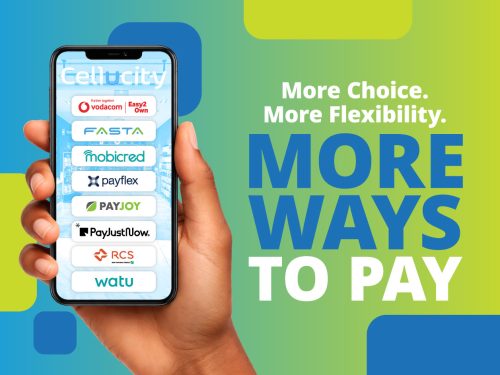
Our Microfinance Options